
When Should Your Business Upgrade to a High-Capacity RO Plant?
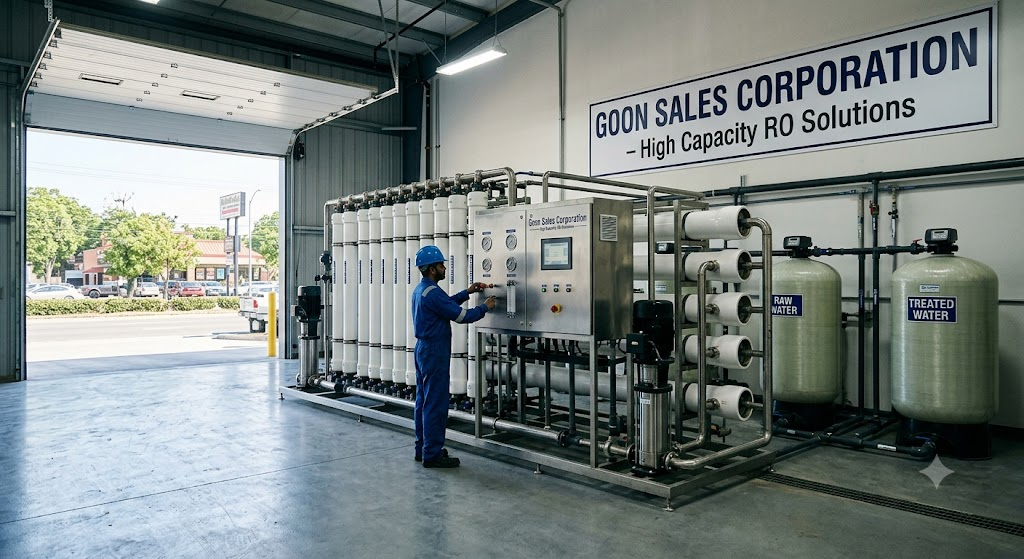
As businesses grow, their requirement for purified water often increases. A water treatment system that was suitable for a smaller operation may eventually struggle to keep up with higher demand. Recognizing the right time to upgrade to a high-capacity RO plant can help businesses maintain a consistent water supply and avoid operational disruptions.
Signs Your Current RO System Is Falling Behind
If your business frequently runs short of purified water during busy periods, it may indicate that your existing RO system is no longer meeting your actual requirements. Increasing demand can gradually put pressure on a system that was originally designed for lower consumption.
Some common signs that your RO plant may need an upgrade include:
- Longer queues at water dispensing points during peak hours
- More frequent refilling of storage tanks or containers
- Reduced water pressure when multiple outlets are being used
- Employees, customers, or students reporting water shortages
- Inconsistent water availability during periods of high demand
- Longer operating hours required to produce the required quantity of purified water
These signs can indicate that the capacity of the existing system needs to be reassessed.
Understanding RO Plant Capacity Before Upgrading
Before investing in a new system, it is important to understand how much purified water your business actually requires. RO plant capacity is commonly expressed in litres per hour (LPH), and the selected capacity should correspond to current consumption as well as expected future requirements.
Simply choosing a larger system is not always the right approach. An oversized RO plant may increase the initial investment without providing meaningful benefits, while an undersized system may continue to struggle during periods of high demand.
Matching RO Capacity to Actual Demand
Accurate demand estimation is an important part of selecting the right RO plant. Businesses should consider factors such as daily water consumption, peak-hour usage, number of users, storage capacity, and operating hours.
Using outdated consumption figures can result in an unsuitable system. A reliable commercial RO plant manufacturer in Faridabad can assess these requirements and help determine an appropriate LPH capacity based on the application's needs.
Planning for Future Growth
When selecting a new RO plant, it is also useful to consider expected business growth. An increase in workforce, student enrollment, production capacity, visitors, or overall water consumption can affect future requirements.
Planning for reasonable future demand may help reduce the need for another major system upgrade in the near future. However, the additional capacity should still be based on realistic growth projections rather than excessive over-sizing.
FAQs
How do I know whether my business needs a higher-capacity RO plant?
Frequent water shortages, reduced pressure during peak usage, increased operating time, and complaints about water availability can indicate that your existing RO plant may not have sufficient capacity.
Does a higher-capacity RO plant cost more to operate?
Operating costs depend on factors such as plant capacity, water quality, recovery rate, electricity consumption, maintenance requirements, and usage patterns. A properly sized system can help avoid inefficient operation caused by inadequate capacity.
How can I determine the right RO plant capacity for my business?
Start by assessing daily and peak water consumption, the number of users, operating hours, and expected future demand. An experienced high-capacity RO plant manufacturer can use this information to recommend a suitable LPH capacity and system configuration.
Conclusion
Upgrading an RO plant at the right time can help a growing business maintain a reliable supply of purified water. Frequent shortages, pressure fluctuations, increasing demand, and longer operating times are some of the signs that the existing system may need to be reassessed.
Before making an investment, businesses should evaluate their current consumption, peak requirements, available space, water quality, and future growth plans. Selecting an RO plant manufacturer including goonsalescorporation.com based on actual requirements can support consistent performance and help the water treatment system meet changing operational needs.

