
What Is the Difference Between Water Softening and Water Purification?
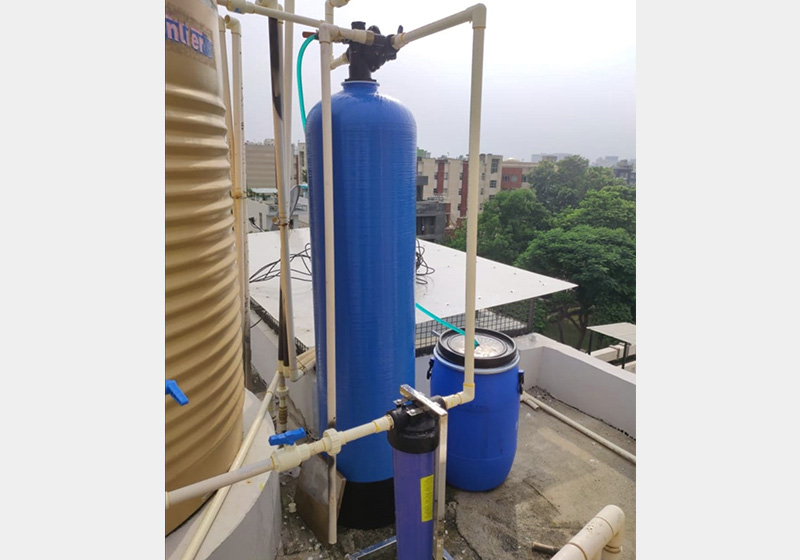
Hard water causes scaling in the pipes, while contaminated water affects your health, and both require separate solutions. So, before looking for a softener plant in Faridabad, it is important to know the difference between the two processes.
Water Softening vs Water Purification: Which Treatment Process Serves Different Water Needs?
Both the systems purify water in their own way, but they address different problems. Take a look at the following comparison.
1. Purpose and Main Function
Softening makes hard water soft and thus helps prevent scaling in pipes, boilers, and machines. While water purification is the process whereby water is made suitable for consumption.
2. Working Principles and Treatment Methods
Water gets softened as a result of going through a resin process whereby the hard elements in the water are exchanged for sodium ions. However, water gets purified through filtration, reverse osmosis, and UV treatment.
3. Types of Contaminants Removed
While softening involves the removal of calcium and magnesium, purification works on removing salts and chemicals, as well as bacteria from water. Consequently, a softener alone is unable to purify water for drinking purposes.
4. Equipment Used and Water Quality Output
A resin tank is used for the softening process, while the reverse osmosis process includes industrial RO plants that utilize very thin membranes. As a result, the softened water will be safe for your machines, while the RO water will meet the drinking water requirements.
5. Industrial Applications and Suitable Uses
Softening helps boilers, cooling plants, and laundries the most, while hospitals, hotels, and food units require pure water. Similarly, there should be a softener plant for those industries that have problems with scaling.
FAQs
1. Can water softening and reverse osmosis operate within the same water treatment system?
Yes, many water treatment systems use both technologies together. Water softening shields the RO membranes from scaling and thus enhances their life expectancy.
2. What is the frequency for resin regeneration in an industrial water softener?
It varies based on the water hardness and usage per day, as the resin becomes less effective in absorbing minerals. Ensure that your setting in the plant is correct after water testing.
3. What water quality parameters should be tested by companies before they opt for the treatment plant?
Before you order a softener plant, check your hardness, TDS, pH, and iron levels. Then share the results with your supplier so they can size the equipment correctly.
Conclusion
Softening helps prevent the machinery from getting scaled down, and purification ensures that the water is pure and usable. Test your water supply first, get the right treatment for your needs, and incorporate both when necessary.

